What Is a WDO Inspection? Scope, the Report, and Florida and Texas Rules
What is a WDO inspection: a licensed report on termites, other wood-boring insects and, in Florida, wood rot. How it differs from Texas's WDI report and the federal NPMA-33 form.
Published · Updated · How we source this
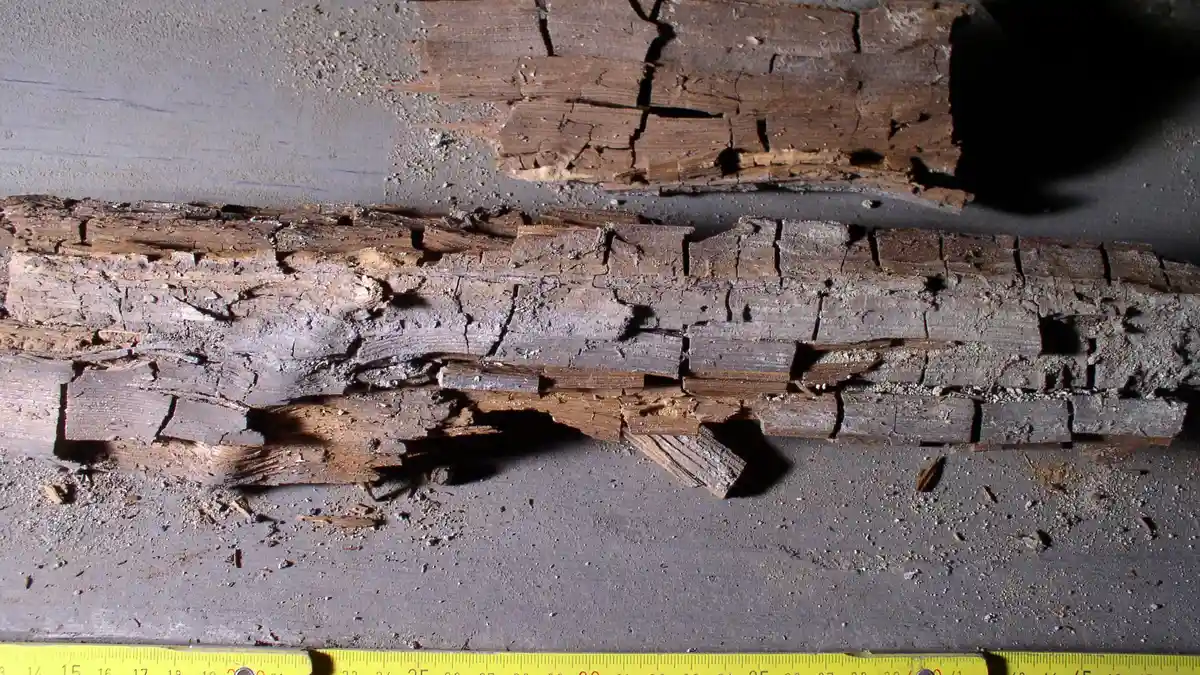
What is a WDO inspection? It is a licensed inspector’s written report on what is visible and reachable at a property on one date, covering active infestation, past infestation or treatment, visible damage, and the conditions that could bring the problem back. WDO stands for wood-destroying organism, and in Florida, where the term is defined by statute, that means insects and wood-decay fungi together. Texas’s own report covers insects only, and people there more often hear it called a WDI inspection.
Money is what rides on that difference. A WDI inspection skips fungi unless a separate attachment is added, and the form most federally backed mortgages default to, the NPMA-33, is a WDI form by its own title. If you were told to get a WDO inspection and you get handed a plain WDI report, rot may not be on it. Florida sets the scope by statute. Texas sets it through its own agency rule. Both are covered below, Florida first.
WDO, WDI and “termite inspection” are three different scopes
These get used as interchangeable jargon almost everywhere online, and they aren’t interchangeable.
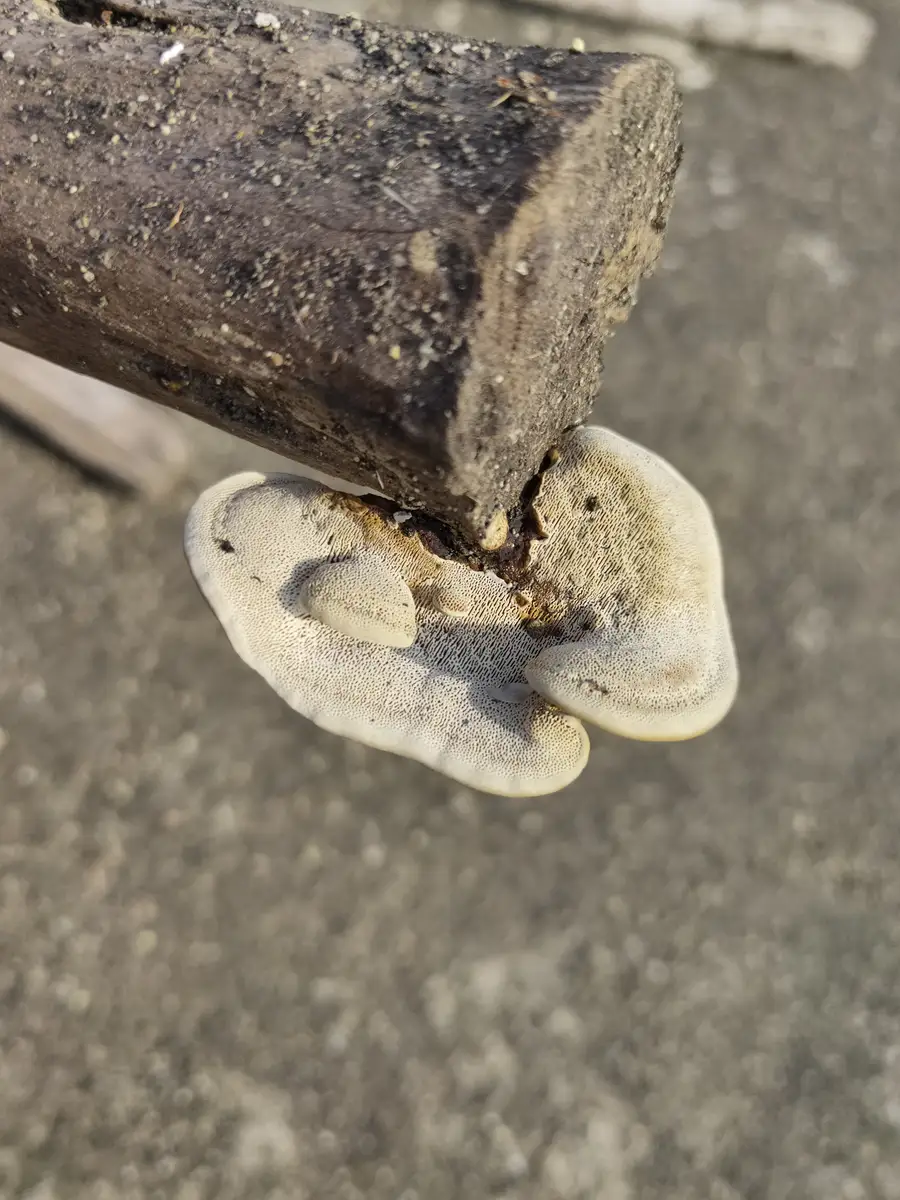
Florida defines a wood-destroying organism as “arthropod or plant life which damages and can reinfest seasoned wood in a structure, namely termites, powder-post beetles, oldhouse borers, and wood-decaying fungi” (Fla. Stat. sec. 482.021(30)). Read the construction closely: arthropod or plant life. That puts fungus in the statutory definition itself, at the same level as termites.
A WDI report is narrower. Texas’s own real-estate report is titled a wood-destroying insect report, and the National Pest Management Association’s NPMA-33 “MUST be used by wood destroying insect (WDI) inspectors,” with a scope of “visible evidence of wood destroying insects, and visible damage” (NPMA, Suggested Guidelines for Completing the Revised NPMA-33 Form). Putting fungus on the NPMA-33 at all takes a separate, optional Wood Destroying Organism Attachment, and most inspections don’t include it.
“Termite inspection” has no regulatory meaning anywhere. Agents and lenders use it in conversation, and it usually means just termites, the narrowest of the three. Nobody licensed signs a document actually titled a termite inspection. They sign a state-prescribed report, and its scope depends entirely on which state prescribed it.
| Term | Covers | Where the scope is set |
|---|---|---|
| WDO, wood-destroying organism | Insects and wood-decay fungus | Florida statute and rule |
| WDI, wood-destroying insect | Insects, fungus only via optional attachment | Texas’s report form, the NPMA-33 form |
| “Termite inspection” | Colloquial, usually just termites | No agency or statute defines it |
WDO inspection in Florida
Florida names this inspection in statute. Section 482.226 is headed “Wood-destroying organism inspection report.” When a licensed pest control business inspects a property for a real estate deal and charges a fee, or someone asks for a written report, that inspection “must include inspection for all wood-destroying organisms.” Rot is part of the job in Florida. It isn’t something a company can skip.
The report has to go on a form the department prescribes, and the business keeps a copy for at least three years (sec. 482.226(1)). The inspection date goes on it. So do areas not inspected and why, evidence of previous treatment or infestation, the organisms found, any damage, and a statement that the inspector has no financial stake in the property. Read the limit closely too: the report doesn’t guarantee the absence of wood-destroying organisms or damage unless it says so in writing, with the guarantee’s terms spelled out.
Florida also makes the house keep a record. The business must post a notice near the attic or crawl space access, built to last at least three years. The business’s name and the inspection date go on it. Removing that notice is against the law unless you own the property (sec. 482.226(4)). If you’re buying a Florida house, look by the attic hatch. A notice already there tells you who inspected or treated it, and when.
Only a carded employee may inspect. The licensee or its certified operator in charge has to get an FDACS identification card for each employee who does these inspections, backed by a signed affidavit that the employee was trained in wood-destroying organisms (Fla. Stat. sec. 482.091(9)). A home inspector’s licence doesn’t count as that card.
Tampa Bay Pest Management quotes its WDO inspection from $85, varying by size of the structure (checked 27 Sep 2026). Imperial Pest Prevention in Altamonte Springs starts its own at $50 (checked 28 Sep 2026). Neither figure is a state average, just what those two businesses charge. Our guide to termite inspection cost covers the wider range.
You can check a company’s licence yourself. FDACS licenses pest control businesses branch by branch, and its public Pest Control Business Licenses report lists each one’s number, categories, status and expiry. Match the address to the branch that’s coming to your house. Confirm the licence is active. Look for “Termite and Other WDO Control” among its categories. Florida listings on this site show the FDACS licence we matched to that branch. How we match listings to licences.
WDI inspection in Texas
Texas regulates this work through the Texas Department of Agriculture’s Structural Pest Control Service, whose own agency rule sets what the report looks like.
Every inspection of “the visible presence or absence of termites” done for a real estate transaction “must be made on a form prescribed by the department,” with no alterations, though photos or documentation can be attached (4 Tex. Admin. Code sec. 7.176(a)). That form covers insects. Texas’s rules stop there and don’t reach wood-decay fungus the way Florida’s statute does.
A lender’s NPMA-33 becomes an addition to the file. The rule says so directly: “Lending providers such as the Department of Veterans Affairs may require the inspection results on another form,” and that second form is supplemental to the department’s required one, kept in the inspection file alongside it (4 TAC sec. 7.176(b)). The state paperwork stays the one that governs.
The inspection must be performed by a licensed applicator or technician certified in the Termite and Wood Destroying Insect Control category. Copies go to the customer and into the business’s own file, kept for two years (4 TAC sec. 7.175(a), sec. 7.176(d), (e)). To check a company yourself, search TDA’s current licence list and look for a “T” in its categories column.
Resolve Pest and Termite Control in Houston lists inspections starting at $175 plus tax, including “official T-5 / NPMA-33 forms,” its own name for the paperwork (checked 28 Sep 2026). It’s one company’s published figure, and no statewide average exists to compare it to.
What is actually on the report
The federal form and the state forms all ask for the same kinds of findings. Live insects, fresh frass, active mud tubes and fresh emergence dust count as active infestation. Old tubes, spent galleries and treatment records count as previous infestation or treatment, which Florida requires by statute, as above. Then there’s visible damage in areas the inspector had access to, and conducive conditions.
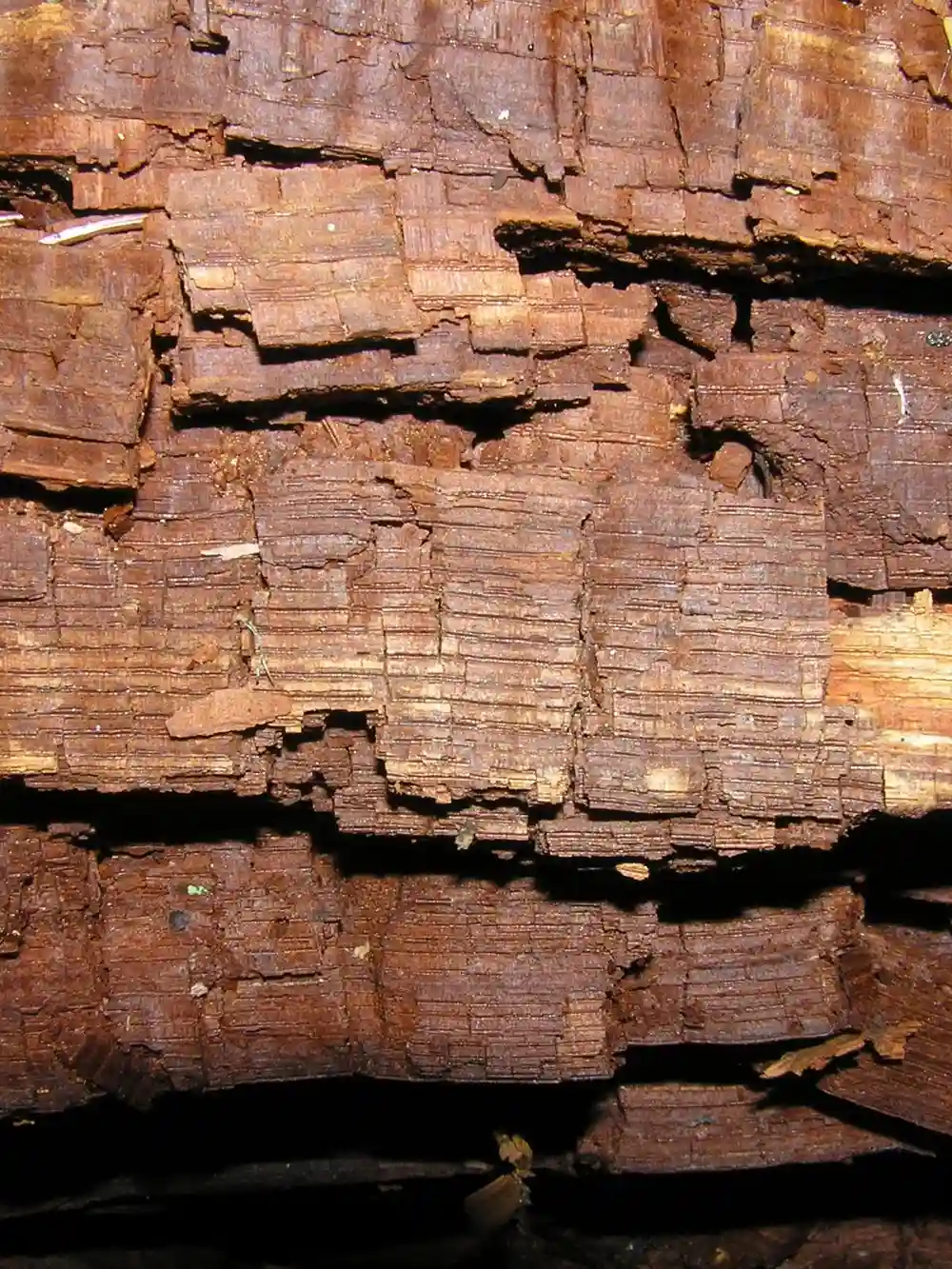
Conducive conditions drive most repair negotiations, and almost nobody defines the term clearly. It covers the things about a house that invite wood-destroying organisms in or help them spread: excess moisture, wood touching soil, poor crawlspace ventilation, earth-filled porches, faulty grade or drainage, cellulose debris under the house, form boards left in place after construction, planters against siding, plumbing leaks, roof leaks.
What a WDO or WDI report is not
A WDO or WDI report isn’t a whole-house verdict. It records what was visible and reachable on one date, in the areas the form lists as inspected. It isn’t a certificate that the property is clear either. Florida’s statute says so in terms, as quoted above. Damage found is damage seen. What that damage means for the structure is an engineer’s question. And no federal expiry date exists that we could source. Lenders commonly treat a report as current for about 90 days, but confirm the window with the lender who asked for one.
VA, FHA and conventional loan rules
VA requires this kind of report as a minimum property requirement for homes on its Termite Infestation Probability Map, in areas rated for heavy termite risk. In VA’s own words:
“VA requires, as a Minimum Property Requirement, a wood destroying pest inspection report for certain properties located in an area on the Termite Infestation Probability Map where the probability of termite infestation is ‘very heavy’ or ‘moderate to heavy.’ If applicable, the VA Notice of Value (NOV) will be conditioned for this requirement and MPR repairs identified on a wood destroying pest inspection report must be completed prior to guaranty.” (VA Circular 26-22-11, 15 June 2022, paragraph 2)
Both Florida and Texas sit on VA’s statewide list of areas requiring wood-destroying insect information. A widely repeated claim says a veteran may never be charged for the inspection. That describes pre-2022 policy. The same circular’s third paragraph authorizes charging “wood destroying pest inspection fees, where required by the NOV,” and it’s still listed as current on VA’s circulars index. Confirm your property is covered on VA’s appraiser local requirements page rather than any secondary list, including this one.
FHA works differently. HUD’s own model checklist for insured files reads: “WOOD DESTROYING INSECT INFESTATION REPORT, Form NPMA-33 or State mandated infestation report” (HUD, Lender Insurance Program Model Pre-Insurance Review). Whether a report gets required on a file depends on visible evidence, local custom or the lender’s own discretion. Ask which condition applies to yours, and get the answer in writing.
Conventional loans have no standing requirement. A lender can still condition on one. More often it’s the purchase contract that requires one, set by the buyer and seller rather than the lender.
The NPMA-33 versus the two state forms
The NPMA-33 is an industry form, published, owned and copyrighted by the National Pest Management Association, a trade association (NPMA forms information). FHA and VA accept it, but neither agency wrote it. NPMA states the limit itself: “If a state … requires the use of a state approved form and excludes the use of all other forms, the state mandated form must be used” (NPMA guidelines).
| State | Instrument | Authority | Fungus in scope | How the NPMA-33 fits in |
|---|---|---|---|---|
| Florida | Wood-destroying organism inspection report, on a form FDACS prescribes | Fla. Stat. sec. 482.226, definition at sec. 482.021(30) | Yes | It doesn’t apply. Florida’s own report governs |
| Texas | Wood-destroying insect report, on a form TDA prescribes | 4 TAC sec. 7.176(a) | No | Filed as a supplement to the state form (4 TAC sec. 7.176(b)) |
Questions people actually ask
Is a WDO inspection the same as a WDI inspection? No. Florida’s WDO covers insects and wood-decay fungi. Texas’s WDI report and the NPMA-33 cover insects, with fungi added only through an optional attachment most inspections skip. If rot matters to you, that’s the whole distinction.
Is the NPMA-33 a government form? No. NPMA owns and copyrights it. HUD and VA accept it, and in Texas it gets filed alongside the state’s own form rather than replacing it.
What is the sticker in the attic? In Florida, that’s the notice of a WDO inspection or treatment that the business has to post by the attic or crawl space access. The business’s name and the date go on it. The owner is the only one allowed to take it down.
Who pays on a VA loan? The veteran can be charged, per Circular 26-22-11 (15 June 2022). Pages saying otherwise are describing policy that changed years ago.
What happens if the report finds something
A finding doesn’t automatically end the deal. Active infestation or damage usually starts a repair negotiation, and a lender may hold closing until treatment or repair is finished. If the property has a termite bond, check whether it transfers to a new owner. One already in force can cover the retreatment the report just flagged. Our termite treatment cost guide breaks down what companies charge, and our signs of termites guide covers what to look for before you order an inspection at all.
Find WDO and WDI inspection companies
Each metro page lists the termite and pest control companies there. Florida pages also show the FDACS licence we matched to each branch, where we could match one.
In Florida, start with termite companies in Tampa, termite companies in Orlando or termite companies in Miami. Further afield, see termite companies in West Palm Beach, termite companies in Jacksonville and termite companies in Fort Myers, or browse every Florida metro.
In Texas, see termite companies in Houston, termite companies in Dallas or termite companies in San Antonio, or browse every Texas metro. Our WDO inspection page and every Florida and Texas metro are two more places to start.