Subterranean Termites and Mud Tubes: What They Mean and What to Do
A mud tube on your foundation is the clearest sign of subterranean termites. What the different tube types mean, the break test, and how Florida and Texas treatment differs.
Published · How we source this
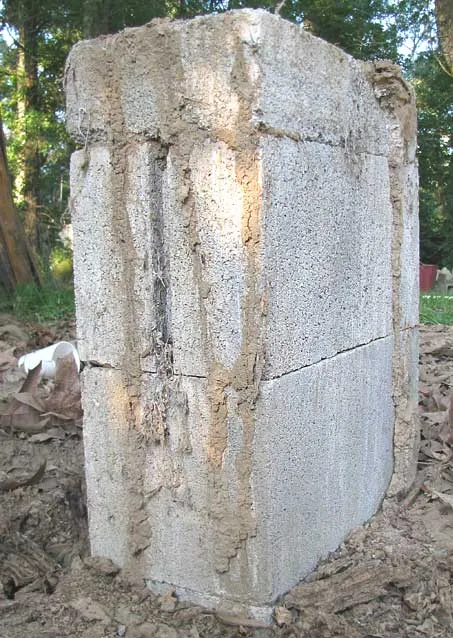
A thin line of dried mud running up your foundation, a porch column, or a pier in the crawl space is almost always a subterranean termite shelter tube, and it’s the clearest sign you’ll get of a colony feeding on or near your house. Not every tube means the same thing, though. Texas A&M AgriLife’s entomology extension names four different kinds, and which one you found changes what happens next.
If you found a tube, don’t tear the whole thing down before someone inspects it. Get quotes from termite companies in Tampa, Orlando, Miami, Houston or Dallas, and keep reading for what the tube type, the break test, and the species involved actually tell you.
What kind of tube did you find
These termites dry out fast in open air, so they build enclosed mud tunnels to move between the soil and whatever they’re eating. The tube itself is saliva mixed with soil and bits of wood. Texas A&M’s Insects in the City extension names four kinds, and each one means something different:
| Tube type | What it does | What finding one tells you |
|---|---|---|
| Working / utility tube | Runs from the underground colony straight to a food source, sometimes up a foundation or slab | An active feeding route. Texas A&M calls these tubes “highways” connecting the colony to the house |
| Exploratory / migratory tube | Rises from the soil and stops short of any wood | Termites are scouting the area. This alone does not confirm an active infestation |
| Drop / suspended tube | Runs the other way, from wood in a wall void or subfloor back down toward the soil | Termites are established above ground level, feeding on structural wood |
| Swarm tube | Short, seasonal, usually only 4 to 8 inches tall | A launch point for the winged termites that leave to start new colonies, built only around swarm season |
Tubes run small, under an inch across, up to about a foot long, and look something like a mud dauber wasp nest. Most show up on foundation walls, especially where mulch or plants against the house make inspection harder. Drop tubes are the exception: they can turn up inside a wall void or hang in a crawl space with no ground contact at all.
The break test, and why not to destroy the tube
Break a short piece of the tube open. Live, cream-white workers inside mean the tube is in current use. So does fresh mud rebuilding the break a day or two later. An open tube left dry and brittle, one that crumbles at a touch, is not in current use.
An empty tube does not clear the house. Usually the colony has shifted its foraging route somewhere else on the property. A colony can also split off new, independent sub-colonies without ever producing a swarm. A quiet tube and no swarm sighting together still leave open the chance of termites elsewhere on the property.
Leave at least part of any tube in place for a professional to see. Texas A&M is specific about why: the tube’s location and direction tell a trained inspector where the colony is entering the house and how far it has been foraging. Scrape the whole thing off before the inspection and that evidence is gone.
Which species built it
Florida and Texas both have native subterranean termites, genus Reticulitermes, present in nearly every US state. Colonies run from around 100,000 to over a million workers and forage up to about 150 feet from the nest, according to UF/IFAS. Florida alone has three native species (R. flavipes, R. virginicus, R. hageni).
Both states are also in range of the Formosan subterranean termite, Coptotermes formosanus, established across the Gulf Coast including the Houston area and Florida’s coastal counties and cities. Formosan colonies run into the millions and forage up to around 300 feet. They can build aerial “carton” nests directly in a wall void, cut off from the soil colony entirely. A Formosan tube can also show up on a tree trunk or on wood well above ground level, a place a native colony would rarely tube to. South Florida, from Key West to Palm Beach, adds a third species, the Asian subterranean termite, Coptotermes gestroi.
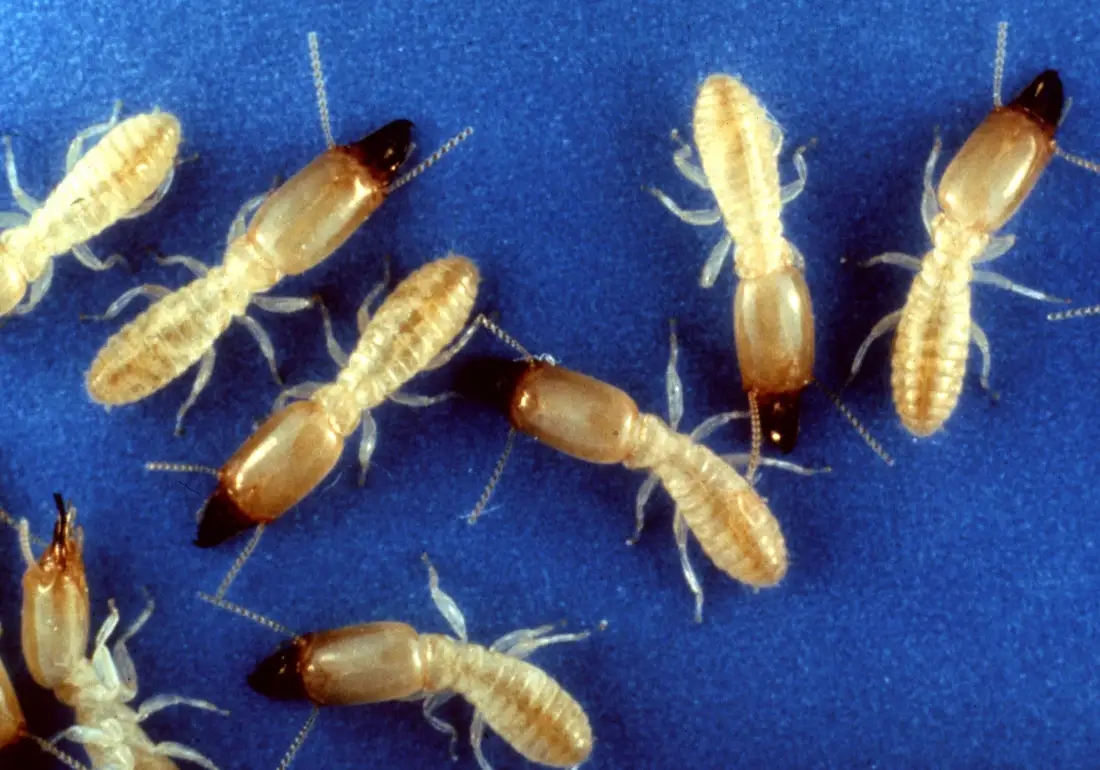
A mud tube looks the same regardless of which species built it. Identifying the winged swarmers themselves is a separate question, covered in our flying termites guide and, for what flies at your porch light after dark, our guide to Formosan termite swarmers.
How bad is this
A tube on the foundation means a colony has been established long enough to build a route between the soil and your house. It does not mean damage happened this week. Native colonies typically take three to five years to mature, Formosan colonies five to eight. If you’re also seeing swarmers, the colony has usually been there for years already.
We won’t give you a “termites destroy a house in X months” figure. No land-grant extension service publishes one. Published laboratory feeding rates span roughly a 25-fold range, and UF/IFAS says determining the age of existing wood damage is close to impossible. That’s the reason some treatment contracts cover only “new damage” going forward. Ask about that limit before you sign anything.
Natives and Formosan termites combined account for roughly 80% of total termite economic impact in the US, according to UF/IFAS. Texas A&M estimates an unprotected Texas home has about a 70% chance of some termite damage over 25 years. Both figures describe termites broadly across the state. An inspection is what tells you about your own house.
Treatment, briefly
Texas A&M’s structural entomology extension compares the two mainstream approaches plainly:
- Liquid soil termiticide. Creates a treated barrier in the soil around the structure. Non-repellent products are described as fast and usually reliable, and newer formulations can persist five years or more in the soil. This has historically been the cheaper option.
- Bait systems. Stations placed around the property deliver a slow-acting toxicant that can suppress or eliminate the colony feeding on it. Generally seen as using less pesticide overall. The cost is higher up front, the result takes longer to show, and a colony can rebuild once the baiting stops.
Which one fits depends on where your tube was, whether an aerial nest is suspected, and what a licensed inspector finds once the tube and any wall voids are checked. For the fuller comparison, including fumigation and when each option applies, see termite treatment options.
Texas A&M’s advice for a house is to hire a professional. DIY termiticide and bait products are for small, low-value structures like a shed or a fence post. If you do sign a contract, read the warranty terms with the same attention as the treatment plan. An annual renewal fee above roughly 20% of the original treatment cost is a fair question to raise, and an extended warranty of at least a year past treatment is standard advice.
Get quotes from termite companies
Start with termite companies in Tampa, Orlando, Jacksonville, Fort Myers, West Palm Beach or Miami if you’re in Florida, or Houston, Dallas or San Antonio in Texas. Ask what tube type they found, whether it tested active, and which treatment method they’re proposing and why. A full termite inspection or a WDO inspection checks more of the house than a quick look at one visible tube.
FAQ
Are subterranean termites the same as drywood termites? No. Subterranean termites need soil contact or another steady moisture source, and building a mud tube is how they get it. A drywood colony lives entirely inside dry wood with no soil contact, and it never builds mud tubes. If you’re seeing hard, gritty pellets instead of mud tubes, that’s a drywood sign. See our guide to termite droppings.
I found a tube with no live termites in it. Am I safe? An empty, dry tube usually just means the colony moved its foraging route somewhere else on the property. Get it inspected rather than assuming the problem is gone.
Do I need to worry about Formosan termites specifically? Only an inspection or a lab ID can tell you which species built the tube. Formosan colonies are larger and can nest above ground. The species affects the treatment plan. See our guide to Formosan termite swarmers if you’ve also seen a swarm.
What does subterranean termite treatment cost? It depends on the method (liquid, bait, or both), the size of the structure, and whether an aerial nest needs its own treatment. Ask each termite company to write down the method on the quote, so you can compare like for like.